
Listening First


Ethan is a high school student with visual impairment who dreams of becoming an engineer. He struggles with traditional math tools and wants step-by-step guidance that works with voiceover

Sarah is a passionate special ed teacher working with visually impaired students. She finds it hard to track student progress and lacks math tools that are both accessible and interactive.

Maria is a busy mom whose son is prepping for the SATs. She has limited time but wants an easy way to support his learning and monitor his progress on her own schedule.
Finding the Gaps
What we found:
· Almost no support for interactive math content· No personalization
· Diagrams and graphs that didn’t translate to audio
· Clunky screen reader compatibility
· No haptics or tactile feedback
There was nothing that gave visually impaired students a complete learning experience.
That was the gap Kanak set out to fill.
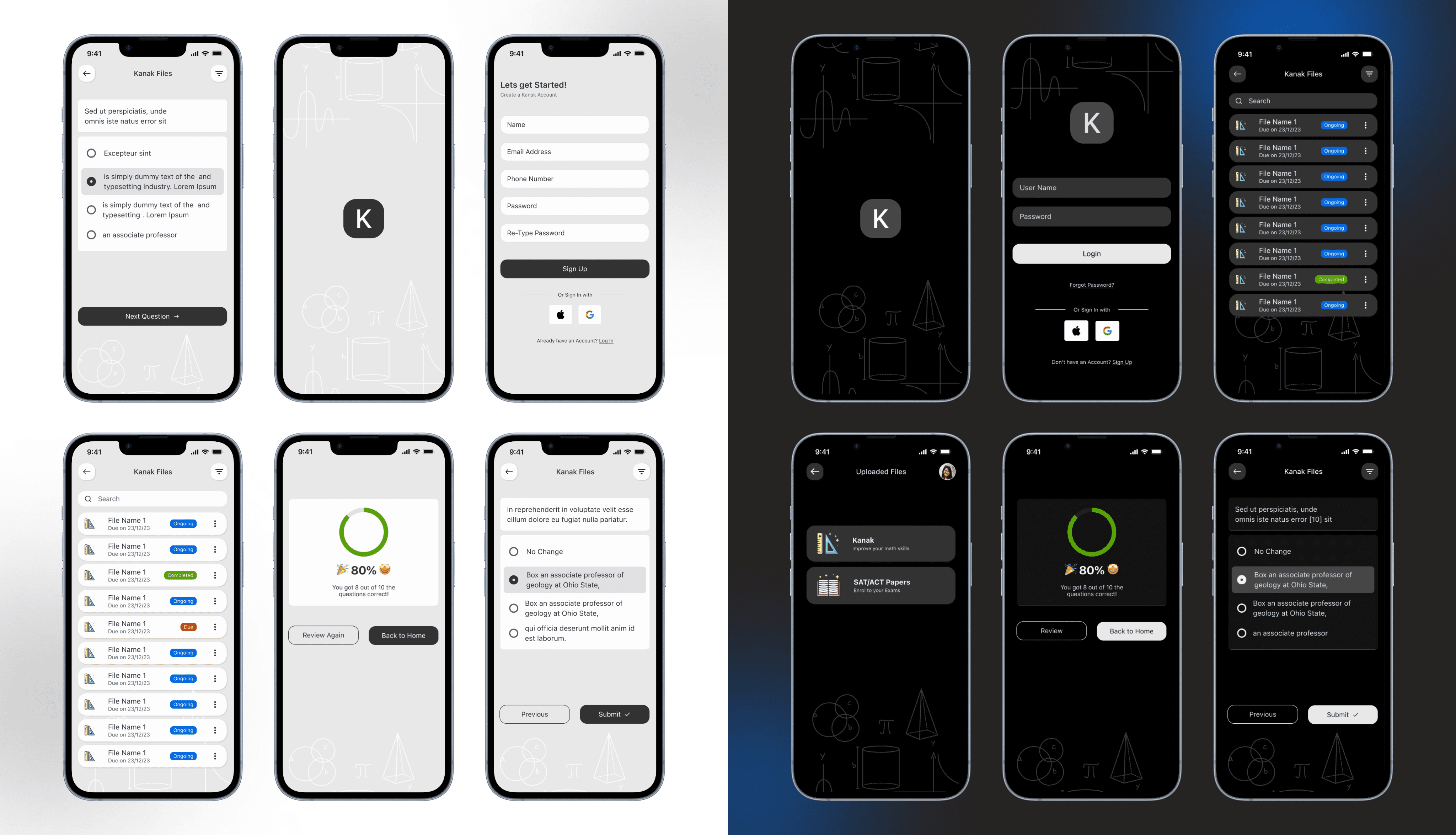
What We Built
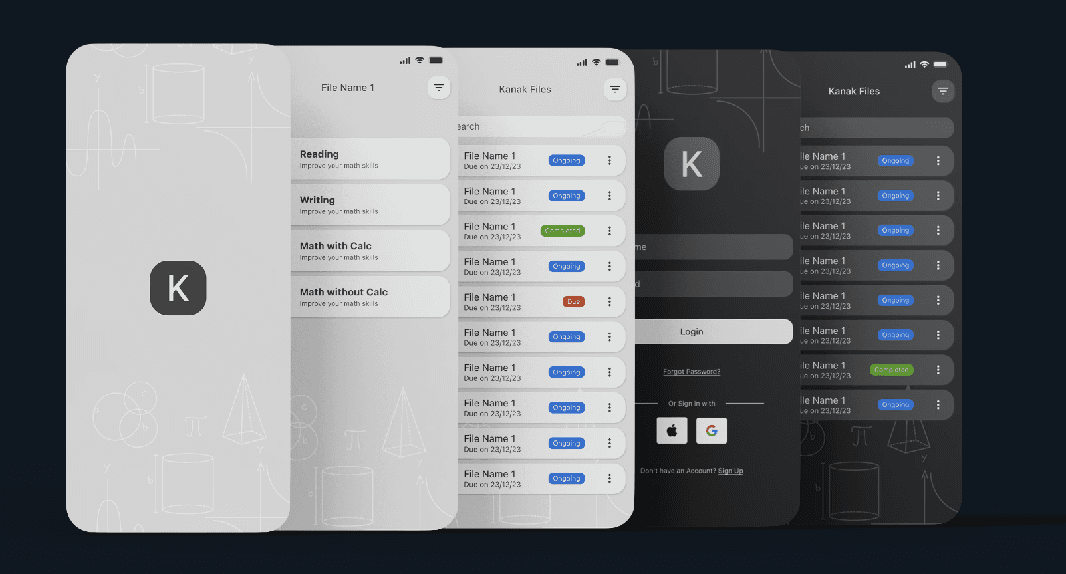
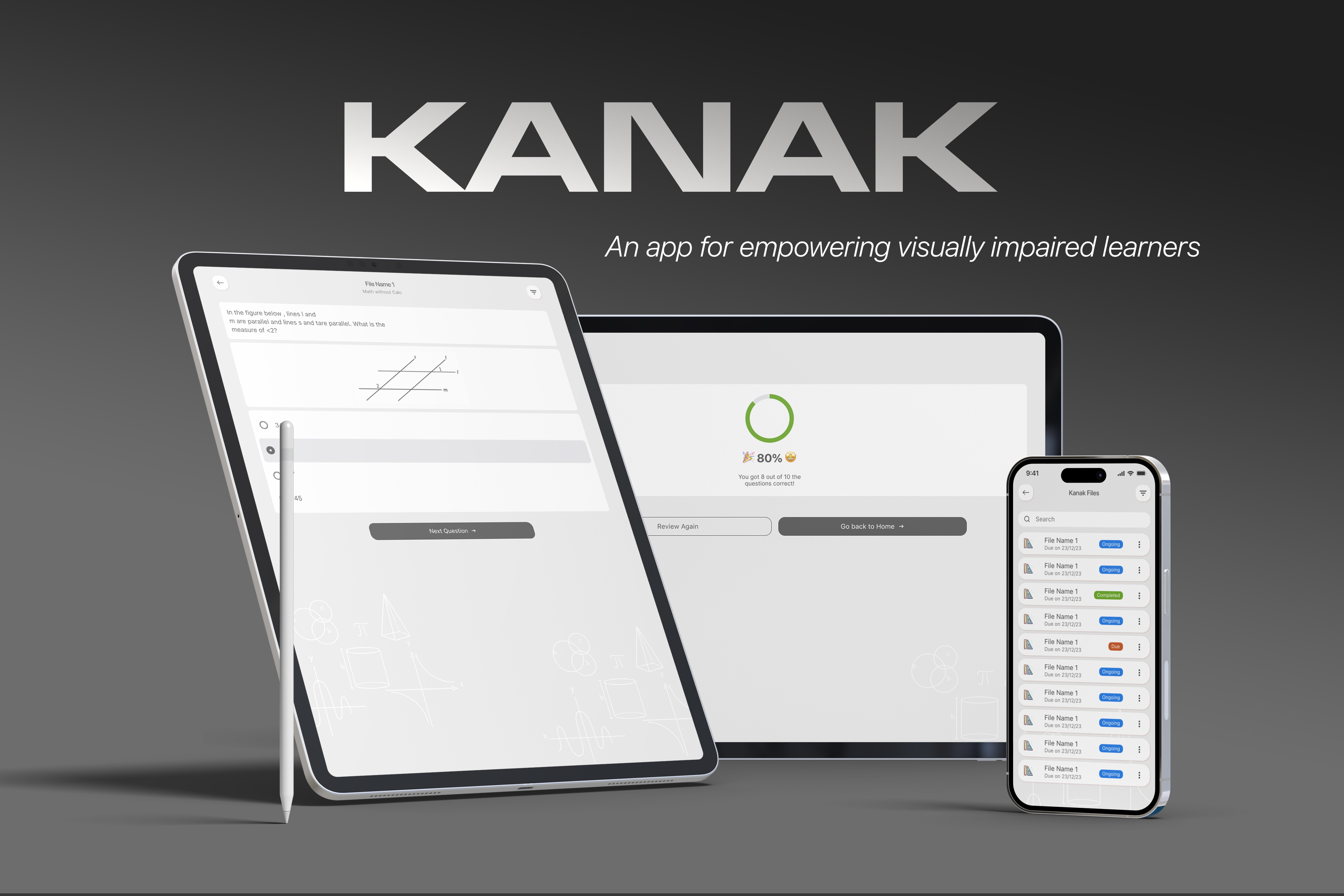
· Voiceover compatibility and custom navigation gestures
· Adjustable text sizes and font choices for partially sighted users
· Haptic feedback to feel shapes, graphs, and answer patterns
· A math problem-solving interface built to be read, heard, and felt
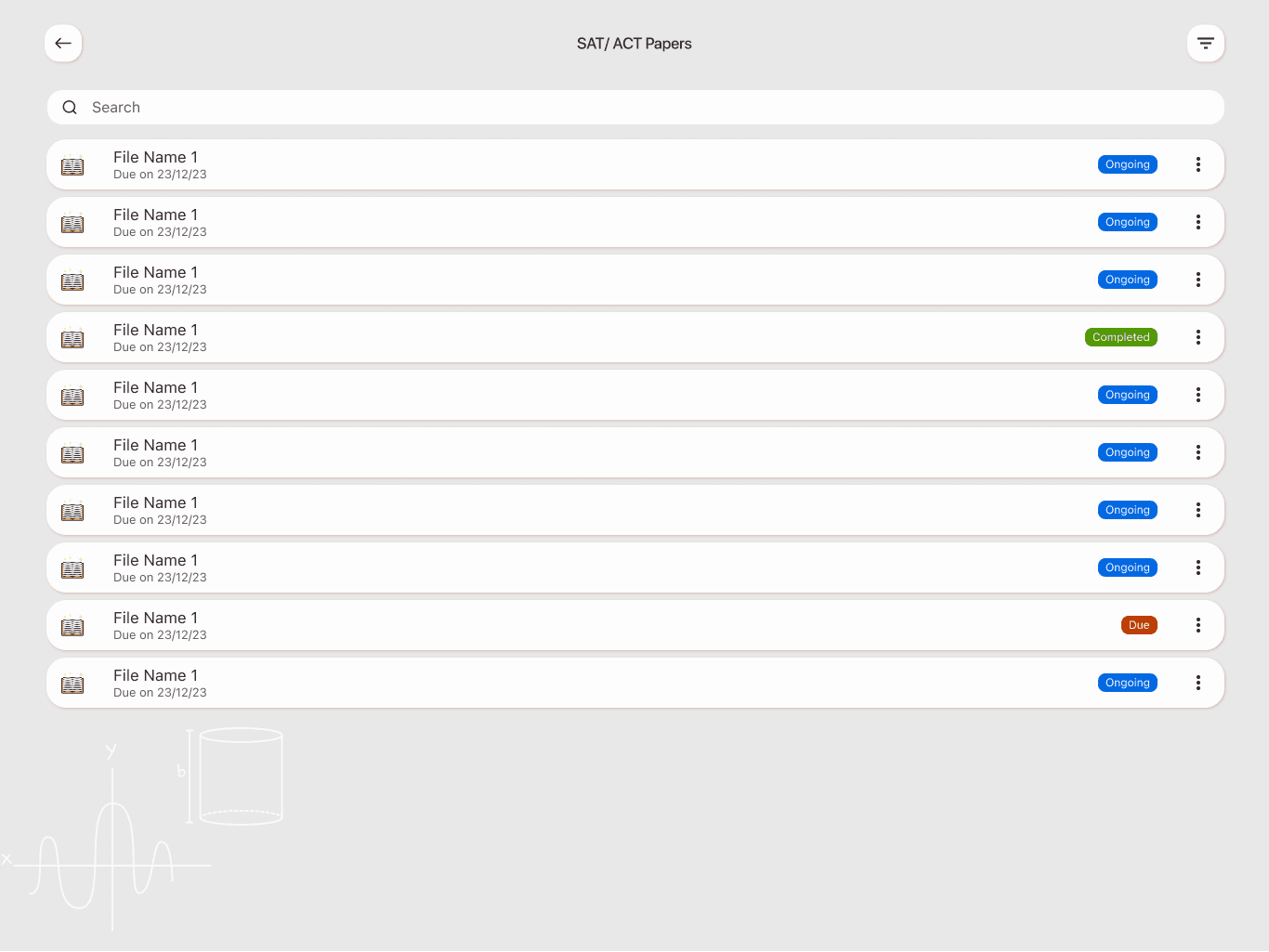
· Landscape mode for better interaction with graph-based content
· Sample SAT questions with accessible hints and audio guides
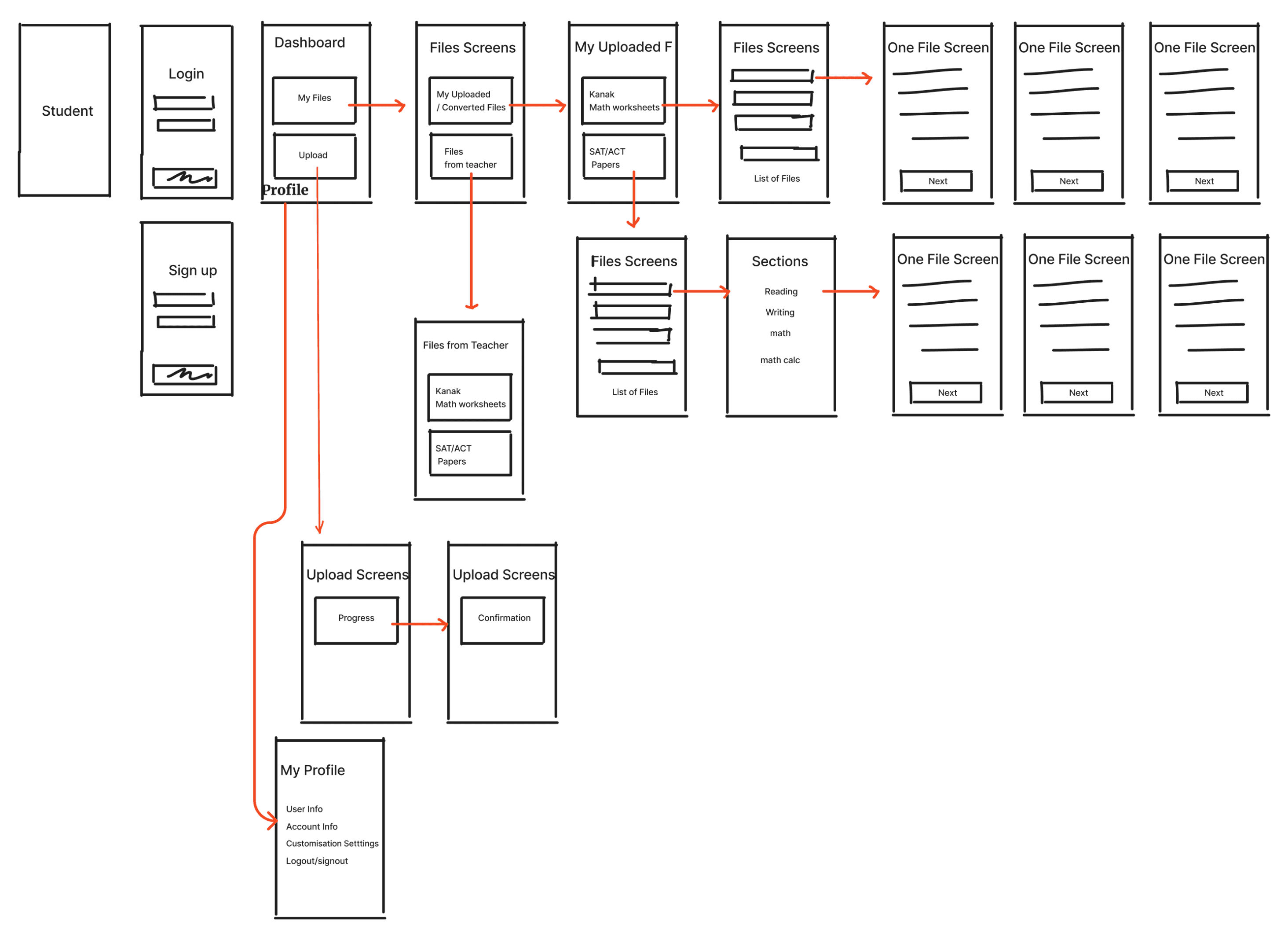
Low-fidelity Wireframes
What We Built
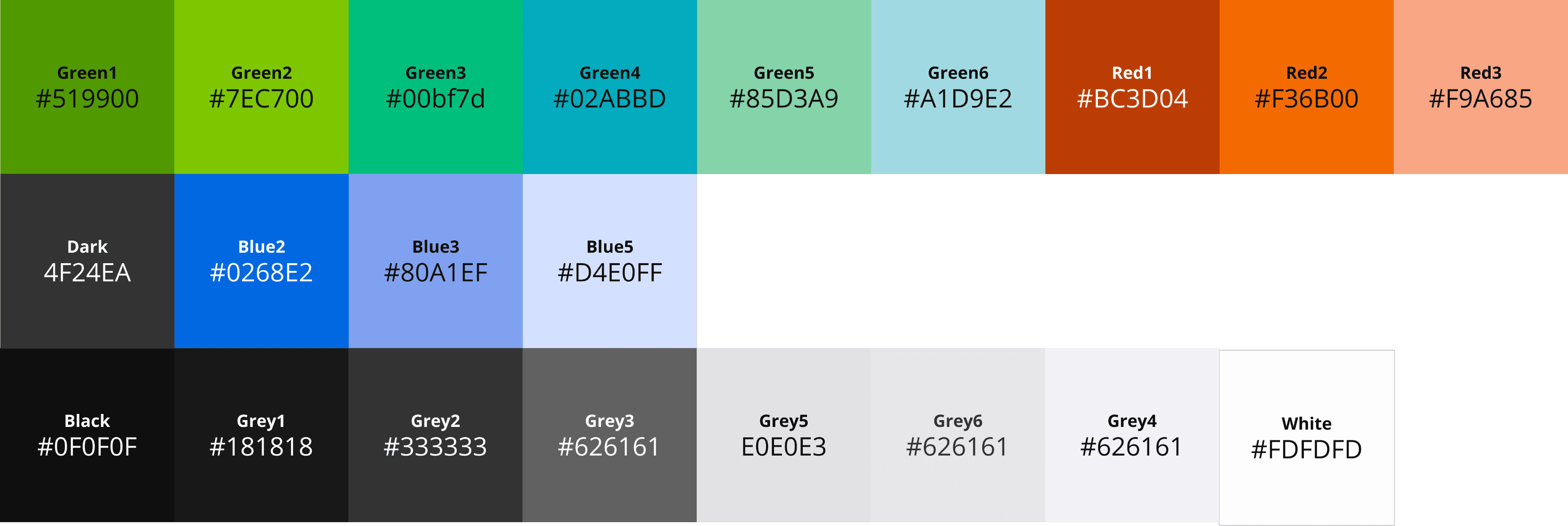
Color palettes
Typography



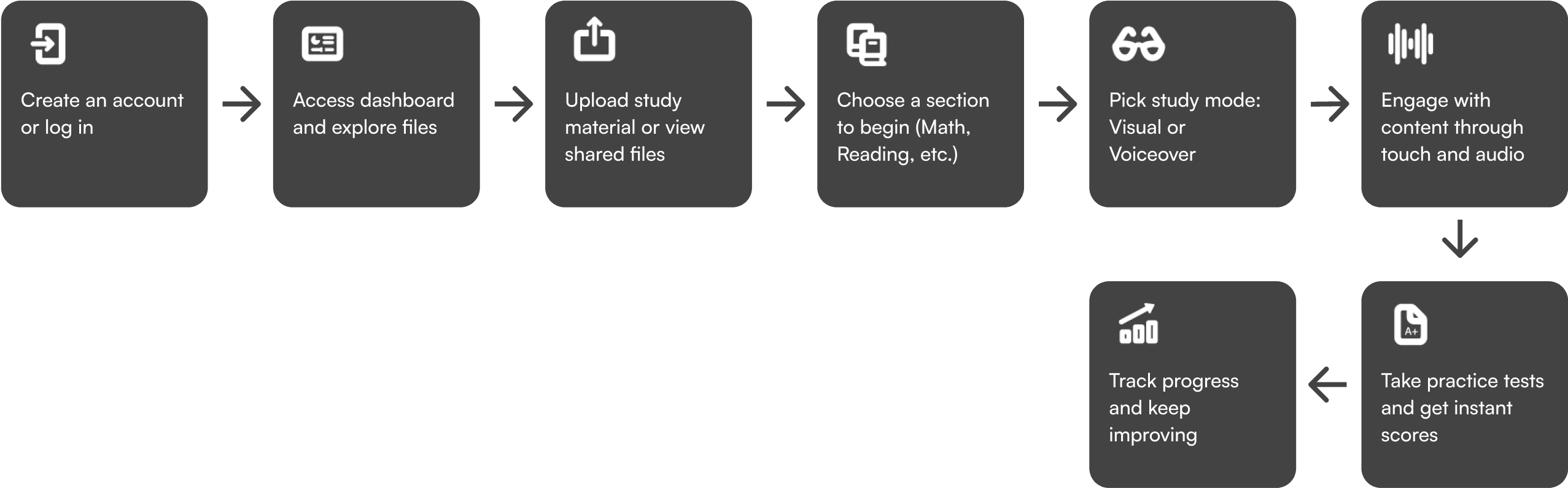
How It Works

What We Learned (and Fixed)
Here’s what we improved:
· Vibration feedback was too strong → Tuned it for subtler cues
· Graph reading was confusing → Added progressive audio hints
· Navigation was inconsistent → Unified gestures and simplified flow
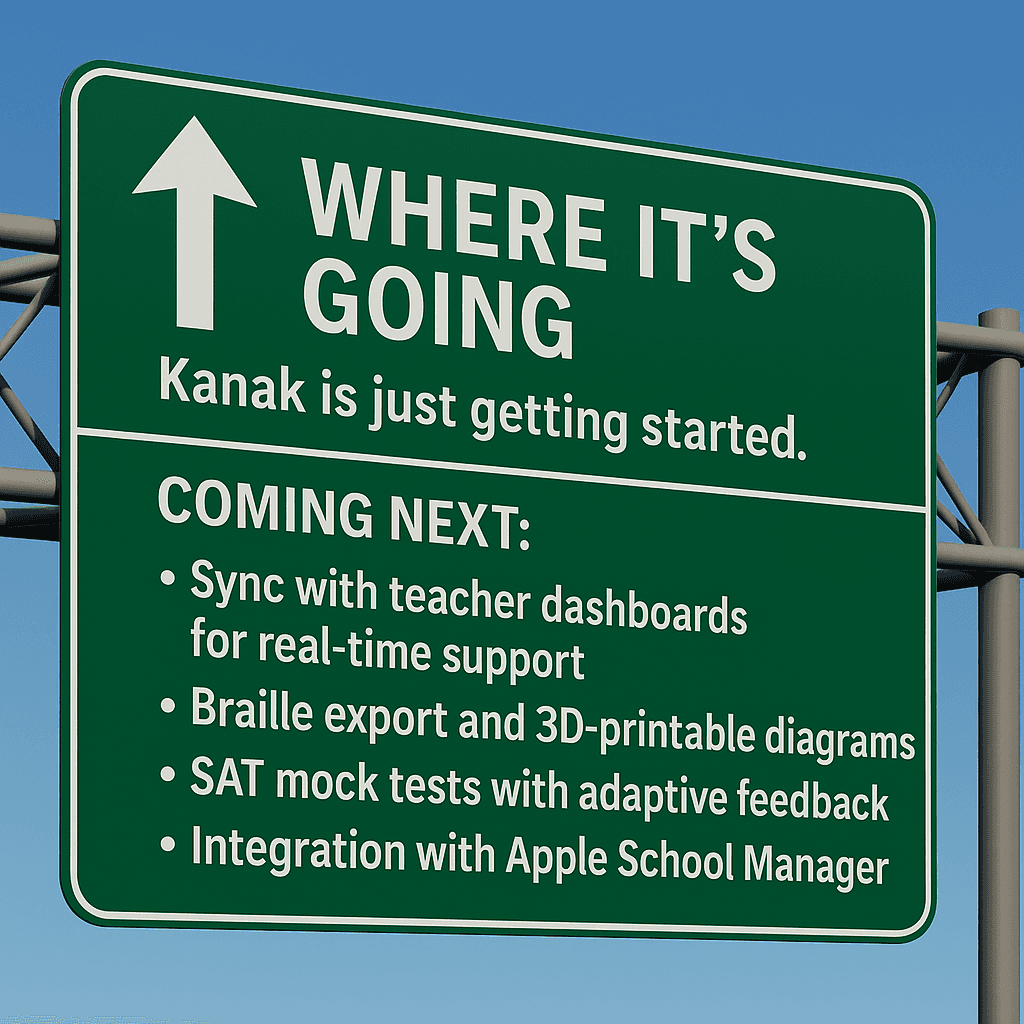
Where It’s Going
Why It Matters
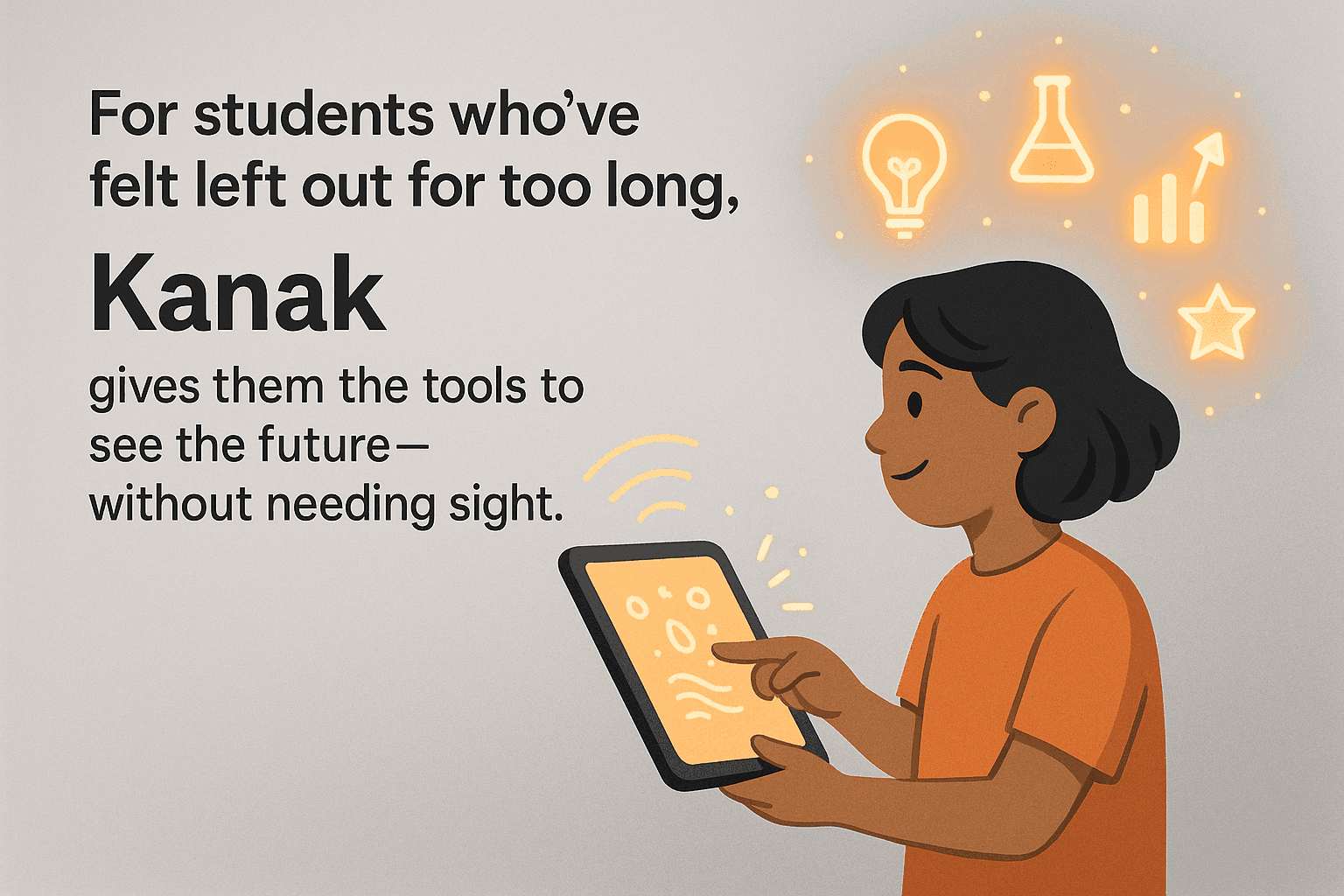
Kanak isn’t just an app.
It’s a bridge.
A bridge between effort and opportunity.
Between potential and progress.